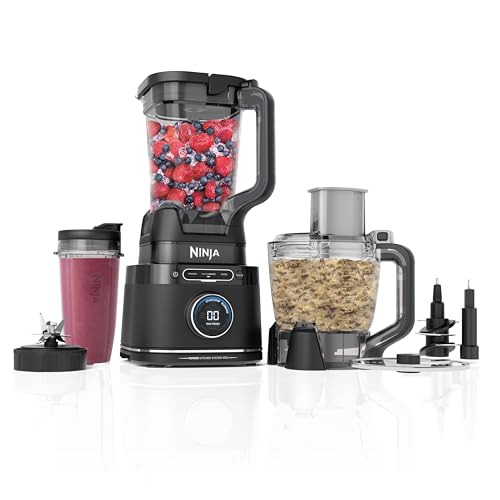
Blenders are an essential tool in any kitchen, making it easy to blend up smoothies, soups, and sauces in seconds. When it comes to comparing blender performance, there are a few key factors to consider. One of the most important aspects of blender performance is the motor power. A higher wattage motor typically means better blending performance, as it can handle tougher ingredients like ice and frozen fruit with ease.
Another factor to consider is the blade design. Blenders with sharp, durable blades are able to blend ingredients more efficiently, resulting in smoother textures. Additionally, the size and shape of the blender jar can impact performance. Larger jars are ideal for blending larger batches, while smaller jars are better suited for single servings. The shape of the jar can also affect how ingredients are blended, with wider jars typically producing smoother results.
When comparing blender performance, it's important to consider the cost as well. While high-end blenders with advanced features may offer superior performance, they often come with a higher price tag. However, there are plenty of budget-friendly blenders on the market that still offer solid performance. Ultimately, the best blender for you will depend on your specific needs and budget.
Coffee Maker Value
When it comes to small kitchen appliances, few items are as essential as a coffee maker. Whether you're a casual coffee drinker or a dedicated caffeine connoisseur, having a reliable coffee maker in your kitchen can make all the difference in your morning routine. But with so many options on the market, it can be difficult to decide which coffee maker offers the best value for your money.
One of the main factors to consider when evaluating the value of a coffee maker is its quality. While it may be tempting to opt for the cheapest option available, investing in a higher quality coffee maker can actually save you money in the long run. A well-made coffee maker is more likely to last for years without needing repairs or replacements, making it a more cost-effective choice over time.
Another aspect to consider when determining the value of a coffee maker is its features. While some coffee makers come with bells and whistles that may be unnecessary for your needs, others offer essential functions that can significantly improve your coffee brewing experience. From programmable timers to adjustable brew strength settings, these features can make your morning routine more convenient and enjoyable.
Toaster Durability
When considering purchasing small kitchen appliances, durability is often a key factor in the decision-making process. When it comes to toasters, durability is especially important as they are often used daily and are subject to wear and tear over time. A high-quality toaster that is built to last can save you money in the long run by avoiding frequent replacements.
One way to determine the durability of a toaster is to look at the materials used in its construction. Stainless steel toasters tend to be more durable and long-lasting compared to those made of plastic. Additionally, models with thicker gauge metal are less likely to dent or warp over time, ensuring that your toaster remains in good condition for years to come.
Another factor to consider when assessing the durability of a toaster is the brand reputation. Well-known brands with a history of producing reliable and long-lasting appliances are more likely to offer toasters that stand the test of time. While these toasters may come with a higher price tag, the investment in a durable appliance is often worth it in the long term.
Mixer Affordability
When it comes to purchasing small kitchen appliances, affordability is often a key factor to consider. Mixers, an essential tool for baking enthusiasts and home cooks alike, come in a range of prices to fit any budget. While higher-priced mixers may offer more advanced features and durable materials, there are plenty of affordable options available that can still get the job done.
For those on a tight budget, entry-level mixers are a great option. These mixers are typically priced under $50 and offer basic functionality for everyday baking tasks. While they may not have all the bells and whistles of more expensive models, entry-level mixers are perfect for occasional bakers or those just starting out in the kitchen.
On the other end of the spectrum, professional-grade mixers can cost upwards of $500 or more. These mixers are often made of high-quality materials like stainless steel and feature powerful motors that can handle heavy doughs and batters. While the price tag may be steep, investing in a professional-grade mixer could be worth it for serious bakers or those who frequently use their mixer for large batches of baked goods.